How much does it cost to 'Gauntlet Loop' prompt a game?
Week 2 of Gauntlet Loop prompting is resulting in a new wave of games.

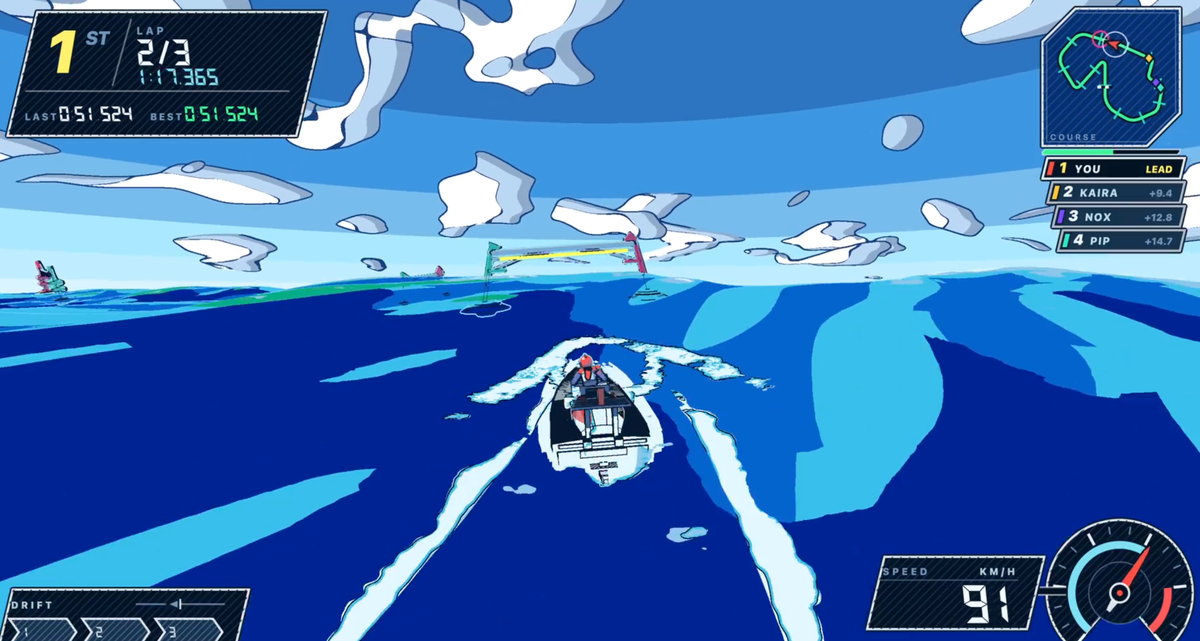
The number that's circulating through AI Twitter is 690 million tokens and $423.
It comes from the 1st August 1 post by the writer known as Chubby (@kimmonismus, whose AI briefing reaches over 225,000 subscribers), showing a cel-shaded arcade boat racer — four racers, drift and boost mechanics, AI opponents, running in Three.js — built from a single prompt using Matt Shumer's Gauntlet Loop technique.
The post has pulled over 540,000 impressions and 2,300 likes, and the framing is the same in every repost: a game that would once have needed a studio and a Steam release, built by one person in a few hours for the price of a mid-range dinner.
It's worth being precise about what that virality actually represents. The exact figure — 690 million tokens, $423 — has been copy-pasted near-verbatim by at least seven other accounts in the 48 hours since, several using Chubby's own sentence structure.
One build, real and independently described in detail by a second account, went viral partly by being reposted rather than by being replicated. That's a distinction worth holding onto before treating it as a stable price for “an AI-built game.”
The more useful evidence comes from builders who published their own, differently-sized numbers.
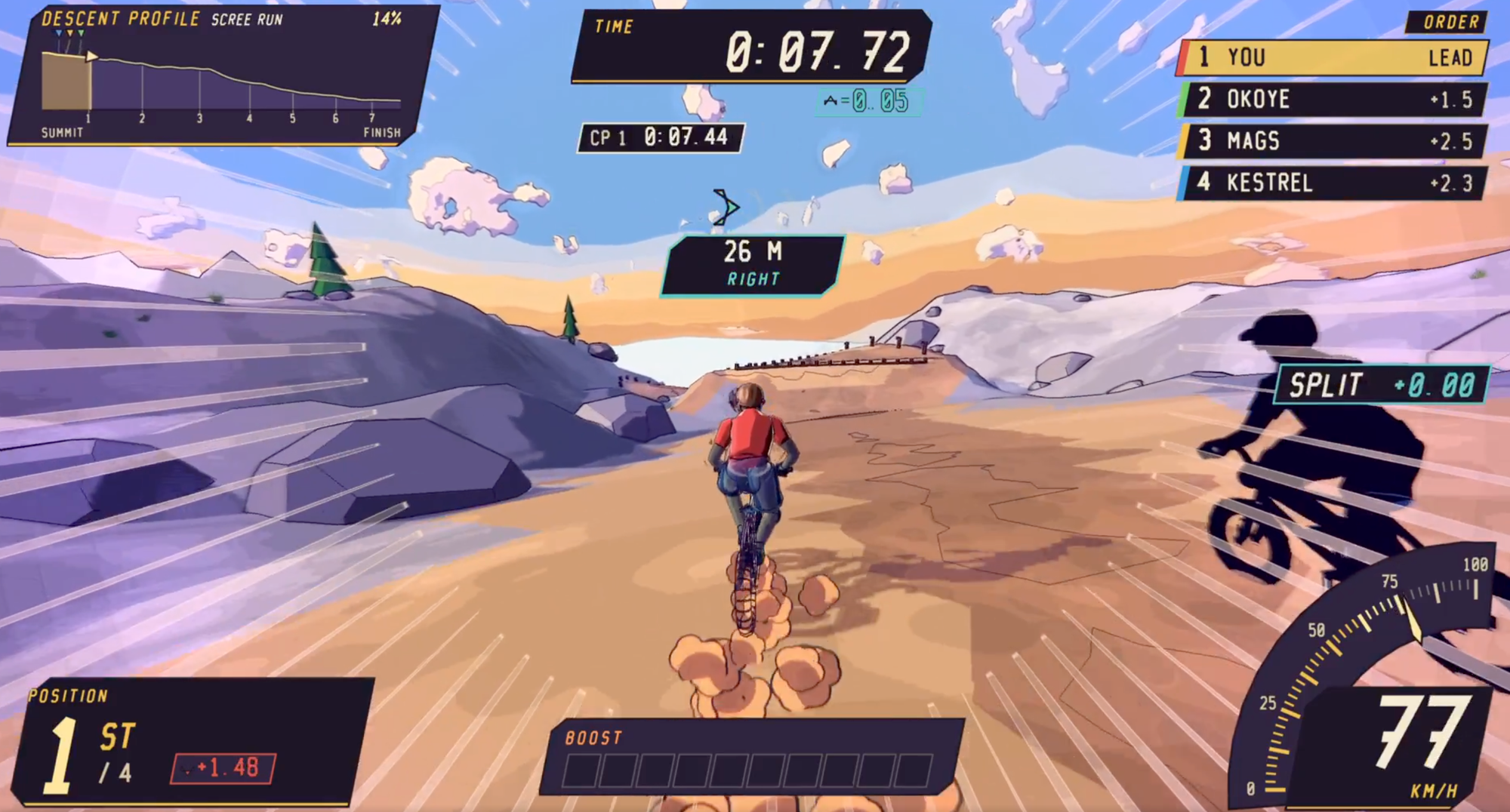
Vyom, who first popularised the technique's cost debate with a bike-racing demo, reported 1.2 billion tokens and $863.35 for that project, then followed up days later with a GTA Vice City–style build that cost $366 on 395 million tokens and six hours of runtime — a meaningfully different ratio from his own first attempt.
A builder posting as GREGORY reported 264.2 million tokens across 51.3 hours and 996 sub-agents for an open-world Pittsburgh game, though without a published dollar figure.
Andrej Karpathy is reported to have produced a simpler browser game from a one-paragraph prompt for around a million tokens — the smallest credible figure in circulation, and a reminder that scope, not just the technique, drives the bill.
Not every number holds up under scrutiny. A post from an account called Dishpit — using Chubby's exact template with different numbers — claims 69 million tokens for $1,725, a cost-per-token that lands precisely on Opus 5's published $25-per-million-token output rate. That's either a coincidence or a parody of the genre dressed up as data.
But put the credible figures together and a real, if wide, range emerges: $360 to $865, and 264 million to 1.2 billion tokens, for a full playable game built from a single prompt.
Opus 5 itself is priced at $5 per million input tokens and $25 per million output tokens — half of Fable 5's rate — and the fact that most reported runs blend to well under $1 per million tokens suggests the bulk of the volume is cheap, cached context being resent across the loop's repeated agent-and-critic passes, not fresh output.
That's the actual shape of the cost. It's not free, and it's not a single stable number — but it is real, and it is arriving from more than one source.