Strauss Zelnick doesn't want to talk about AI
With GTA VI anticipation at an all-time-high, Take-Two's CEO is avoiding loose lips.

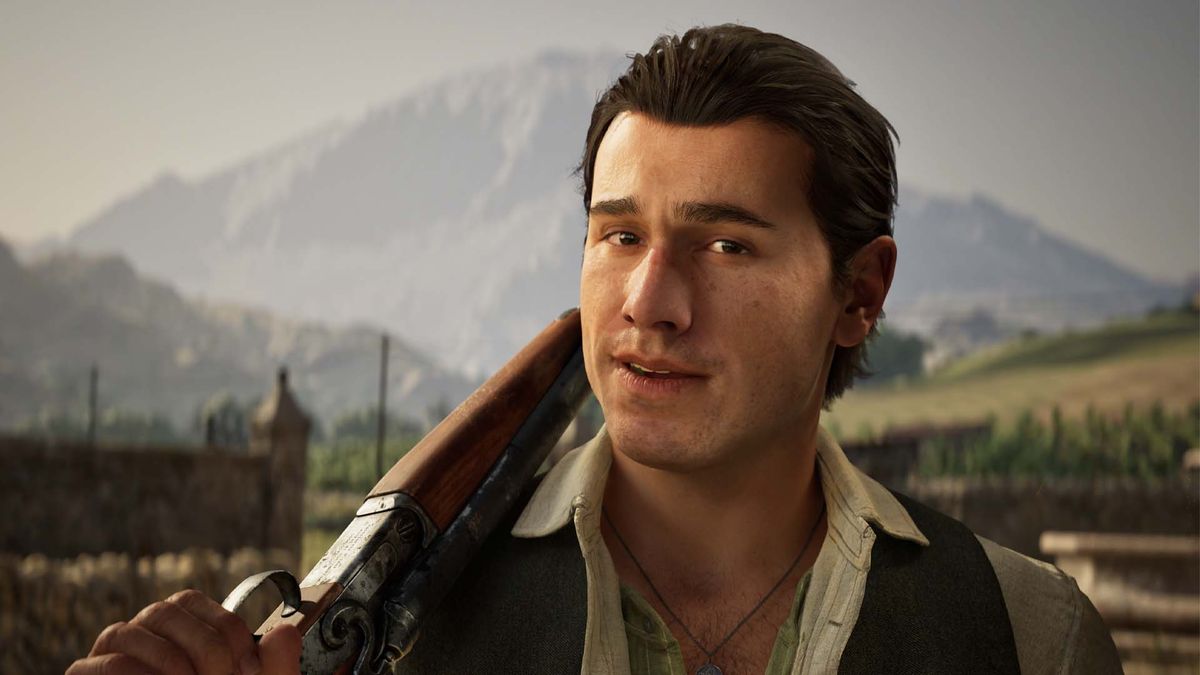
When Bloomberg’s Jason Schreier asked Take-Two CEO Strauss Zelnick how the company was going to lower the cost of game development at the Interactive Innovation Conference in Las Vegas, Zelnick gave the answer every major games executive is currently wrestling with.
“We’re going to have to be smarter about how we do things or certain titles can’t get made.”
Then came the AI question.
“We certainly are exploring whether AI can help us get there.”
But Zelnick immediately reframed it.
“If you broaden it and you take out the word ‘AI’ and replace [it] with the word ‘technology,’ which I prefer, I would argue it is our bet, because we make our games in computers and always have. Certainly, our bet is not going to be to give consumers less. Our bet is not going to be make games lighter, shorter, worse.”
There is a lot to unpick.
Ever the consummate media professional, Zelnick is not going to be caught out talking about AI as a way to reduce headcount, lower production costs or automate the development process, although it would be surprising if Take-Two was not exploring exactly those efficiencies.
Instead, he did what all game CEOs have to do. He talked about quality, creativity, and the consumer experience.
But the core problem remains the same. Triple-A development costs have become unsustainable. The industry cannot keep investing more into game development unless those games can charge higher prices and/or expand their audience.
And, perhaps, only GTA VI now sits in that category.
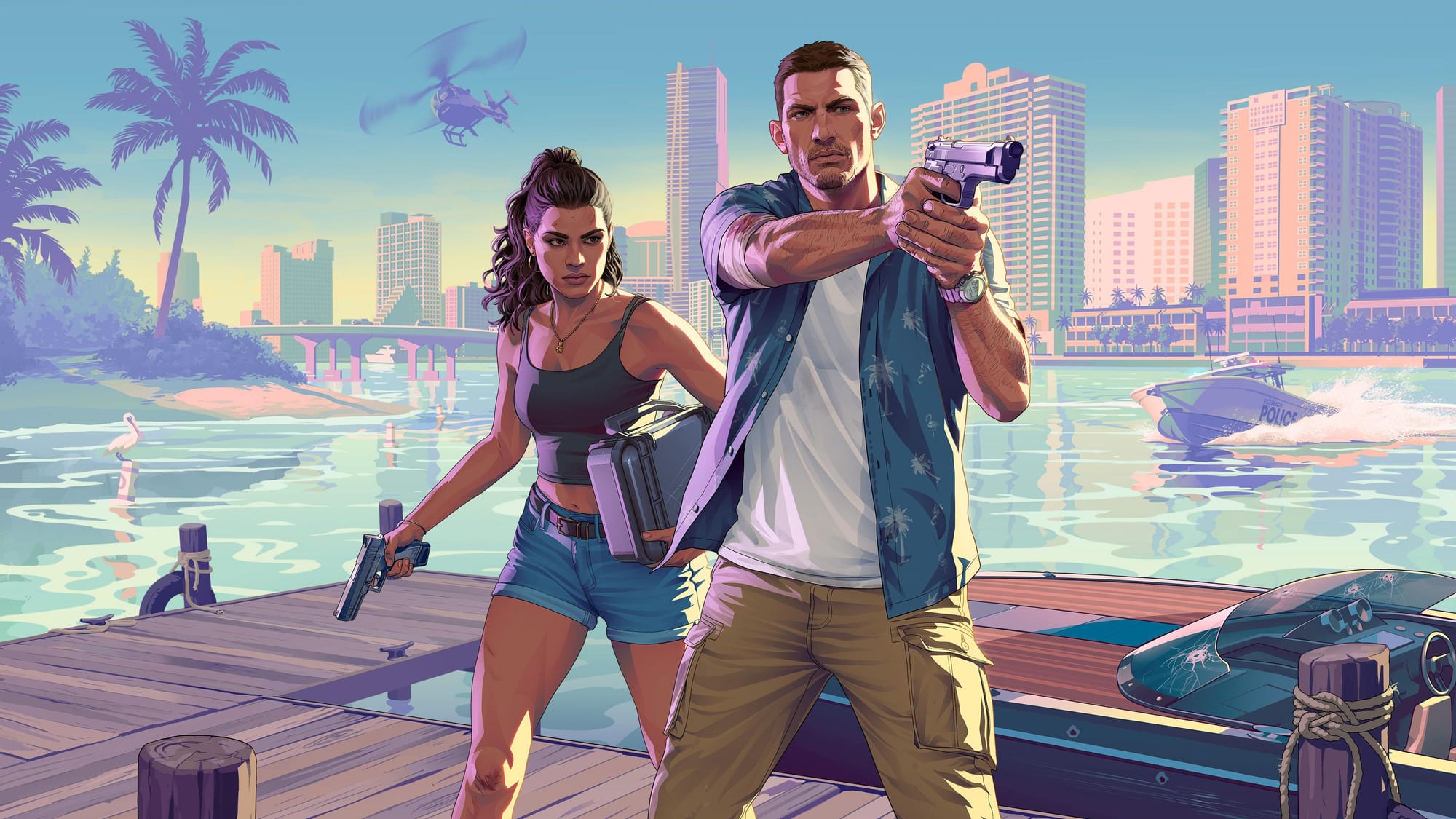
This is where Take-Two’s corporate structure becomes important.
Rockstar may be wholly owned by Take-Two, but it operates like a semi-autonomous prestige studio inside the broader company. Its games are slow, expensive, handcrafted and culturally dominant. It is the exception factory. Rockstar can spend years and hundreds of millions of dollars polishing a world because the upside is enormous and because the brand promise is built around extraordinary production values.
The rest of Take-Two is in a different position.
2K has valuable franchises — BioShock, Borderlands, Mafia, Civilization, NBA 2K, WWE 2K — but none of them can be treated like GTA. Some are big. Some are mid. Most have passionate but finite audiences. That means Take-Two effectively contains two different economic machines: Rockstar, which can still justify the mega-budget auteur model, and 2K, which has to work out how to keep premium franchises viable when the traditional market is not growing fast enough to absorb ever-rising costs.
And that is why Zelnick’s language around AI is revealing.
He does not present it as magic. He does not even really want to call it AI. For him, it is just another form of technology. And for Take-Two, that makes sense. AI is not being positioned as a creative thesis. It is a production-efficiency thesis: better tools, faster workflows, smarter pipelines, cheaper iteration, improved QA, more efficient localization and perhaps smaller teams making better-scoped games.
But Zelnick is also careful to say the answer is not to give consumers less. Take-Two’s bet, he says, is not to make games “lighter, shorter, worse.”
It sounds right. It is also where the tension appears.
Because the success of the $50 Mafia: The Old Country suggests exactly that lighter and shorter do not necessarily mean worse. A more focused game, made at an appropriate budget and sold at an appropriate price, was exactly what this franchises need.
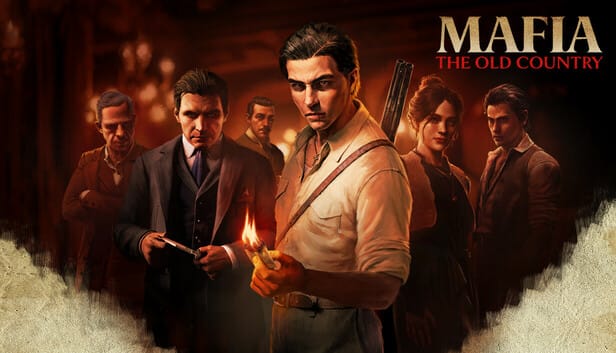
The distinction is not between big and small. Those terms do not denote quality. The real distinction is between appropriately scoped and financially incoherent.
A 100-hour open-world game that needs 10 million $70 sales to break even may be a worse business than a tighter, more focused experience that fans actually want and that the company can profitably support. More content is not always more value. More fidelity is not always more fun. More years in development is seldom evidence of ambition. Usually, it's evidence that something went wrong.
So the interesting thing about Zelnick’s comments is not whether Take-Two is bullish or bearish on AI. It is that AI sits, largely unspoken, inside a bigger strategic problem.
Rockstar can remain Rockstar. It can continue making vast, expensive, handcrafted games because its audience, brand and commercial upside currently justify the risk. But the rest of Take-Two needs a different playbook. It needs technology, pricing flexibility and production discipline to stop good franchises becoming economically impossible.
This is the challenge facing the wider industry too.
Publishers are struggling with overproduction and rising production costs, while players remain suspicious of anything that looks like degradation of craft and labor. AI may help with one side of that equation, but only if companies can deploy it without creating the impression that games are being made cheaper, thinner or more disposable. And only if they lie about usage.
Of course, GTA will do what GTA has always done. But even GTA exists within a commercial envelope defined by production cost, retail price, monetization model and total addressable market. The numbers may be enormous, but they will not stretch infinitely.
The truth is that, left unchecked, production costs eventually put every franchise under pressure. What the industry needs to recover is a sharper segmentation of ambition, and AI can help with that.
Strauss Zelnick cannot quite say it. He may not even believe it. But the survival of many game companies — and perhaps one day even parts of Take-Two — may depend on recognizing it.