The AI purity trap

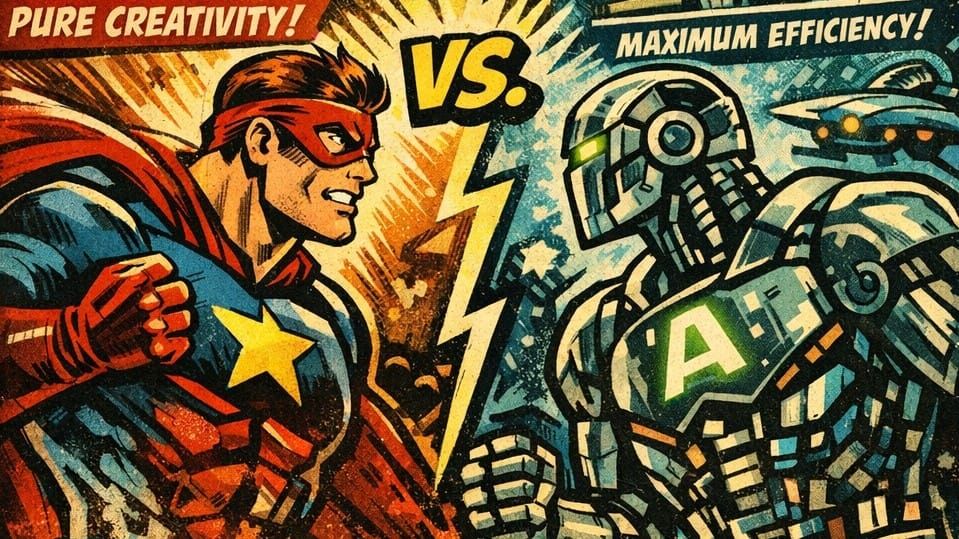
There is a strange asymmetry in games right now. The part of the industry that has the most to gain from AI-driven productivity in terms of its large teams, long schedules, bloated content pipelines, endless live-service iteration, is also the part under the most cultural pressure not to show its workings.
In games, the problem is no longer whether AI exists. It is where it is allowed to appear. The recent pattern is clear.
- Phantom Blade Zero won praise for explicitly rejecting generative AI in its content.
- Pearl Abyss had to apologize after AI-made placeholder art remained in Crimson Desert.
- Capcom has now drawn the line that many big publishers are converging on: no AI-generated assets in the shipped game, but yes to AI behind the scenes if it improves efficiency in graphics, sound, and programming.
- Even Embark, after the success of ARC Raiders, has re-recorded some AI-generated voice lines with human actors while still describing AI as a useful production tool.
The distinction matters. The industry is not dividing into AI users and AI refuseniks. It is dividing into studios that can safely use AI as invisible infrastructure and studios that get punished the moment AI becomes legible to players as part of the finished artistic object.
The reputational risk is not evenly distributed. Customer-facing AI art, voices, and undisclosed asset generation attract heat. Internal prototyping, iteration, scripting assistance, and production workflows are much easier to defend.
That is why the current discourse is misleading. It is simply false to say successful games or companies are not using generative AI.
- Embark has openly used AI/TTS across The Finals and ARC Raiders.
- Activision now discloses generative AI use on Call of Duty’s Steam page.
- Krafton’s inZOI openly shipped with on-device generative AI creation features and still sold 1 million copies in its first week of early access.
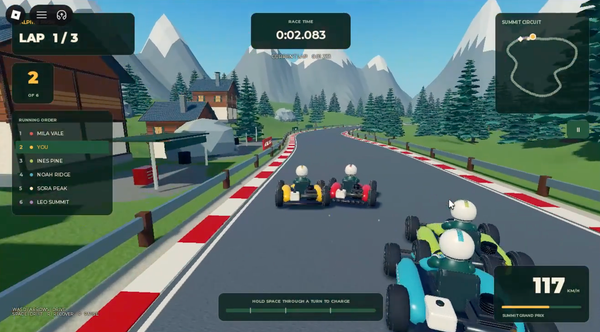
- Roblox is aggressively rolling out AI creation systems to make it easier for developers to build experiences on a platform serving more than 150 million daily users.
AI is already here. What is contested is not adoption, but visibility and legitimacy.
The GDC 2026 survey captures the contradiction nicely. A majority of surveyed developers said generative AI is harming the industry, yet more than a third said they use it themselves.
That's not a sign of technological failure. It is a sign that the industry has already settled into an uneasy compromise: AI is acceptable as labor-saving machinery, but suspect as authored culture. In other words, the taboo attaches less to machine assistance as such than to the idea that the final game might feel machine-made.
This creates a real strategic split. Core premium game development now carries a disclosure problem. Studios know that if they talk too enthusiastically about AI, they risk weeks of bad coverage, social-media distrust, and a narrative that their game is cheapened or artistically compromised.
So they increasingly talk about AI in the language of support: iteration, efficiency, placeholder content, internal testing, workflow acceleration. That is not because AI is absent. It is because the accepted public framing of AI in games is narrowing around “tool, not author.”
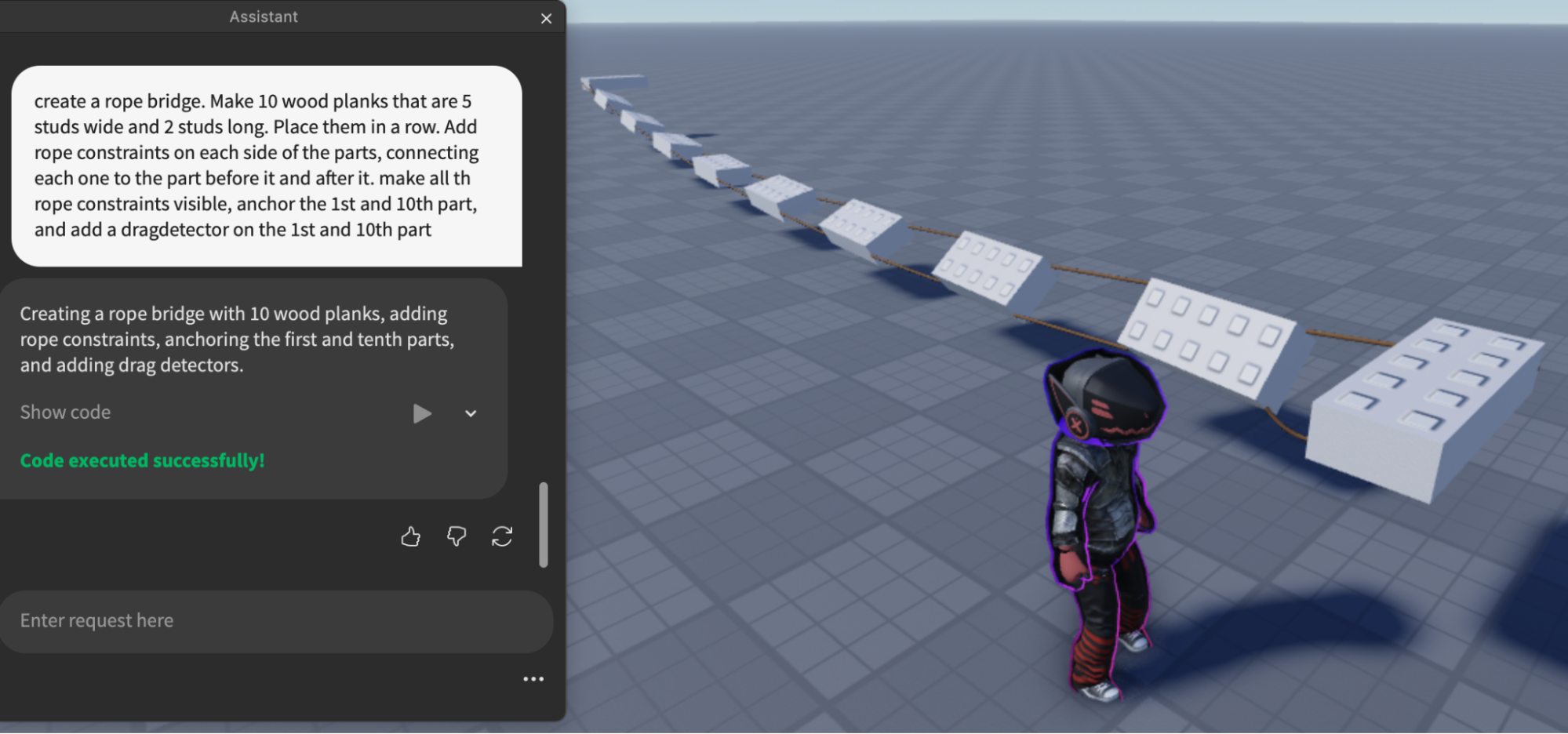
The consequence is that a lot of the boldest experimentation will happen first in environments where authorship is already more fluid and audiences are less attached to artisanal purity: UGC ecosystems, creator platforms, simulation sandboxes, and game-adjacent tools.
Roblox is the obvious example. Its experiences are perfectly suited to AI because speed, abundance, and personalization are part of the product, not a betrayal of it. AAA, by contrast, still sells craft, intention, and polish. That makes it culturally harder for big-budget studios to treat AI as anything but hidden infrastructure.
So the irony is not that games cannot use AI. They already do. The irony is that the sector most desperate for AI productivity gains has ended up supporting a strong norm against admitting that too plainly.
The winners, at least in the near term, will not be the studios that shout loudest about AI. They will be the ones that use it where players can feel the benefits without feeling the contamination.