S&box vs UGC AI slop


More than two decades after Garry's Mod first turned physics-play into a generation's modding language, Facepunch Studios has shipped its long-awaited successor. s&box launched on Steam on 28 April to a "Mixed" reception, which is unsurprising for a project that has existed in some form for years.
But the focus of the negativity is the interesting part. Many of the negative reviews are not really about the engine, the toolset or even the price. They're about AI-generated content cluttering the experience on day one.
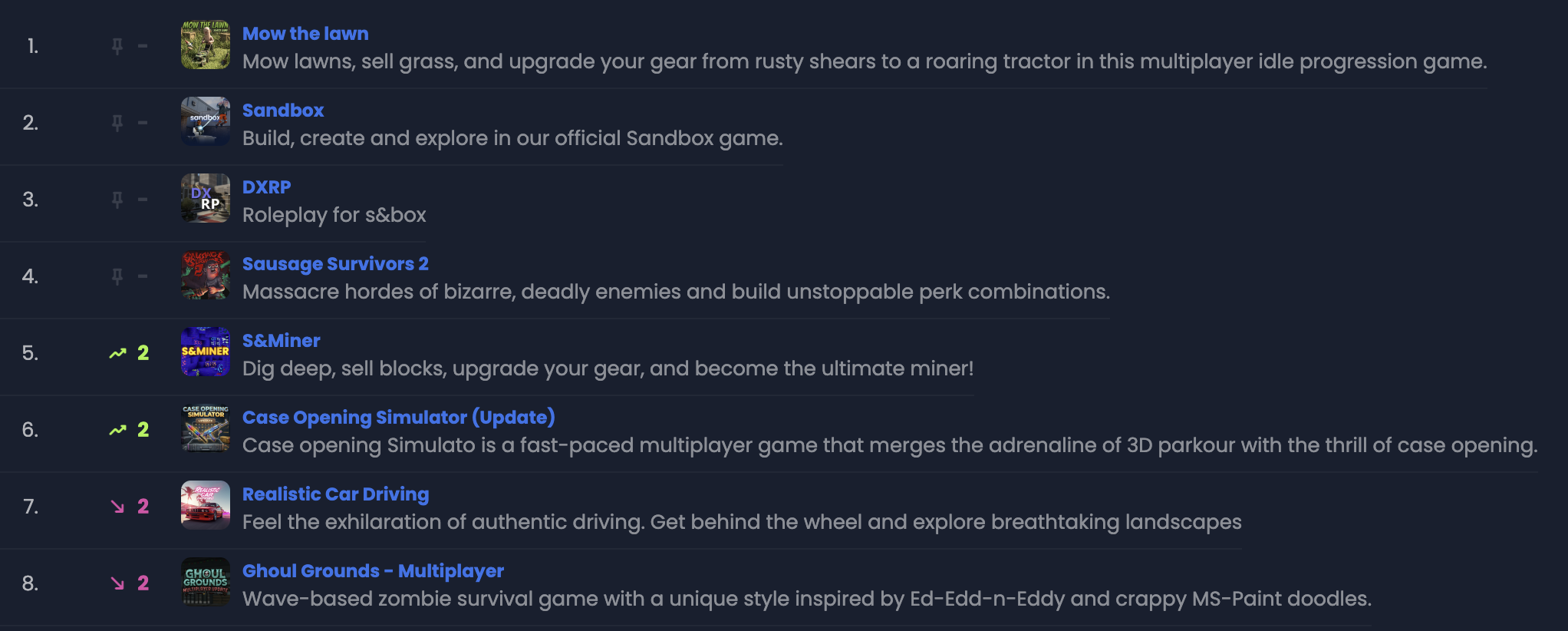
To a degree, this was predictable. s&box is a user-generated games platform: the same broad proposition Garry's Mod refined for a generation of modders, but rebuilt around Valve's Source 2 engine, modern C# tooling, real-time hotloading, a community game library and a route for creators to publish directly into the platform. Standalone publishing on Steam is promised later. For now, the point is already clear: the same low-friction pipeline that lets a creative teenager ship a physics joke over a weekend also lets someone ship a half-baked AI-stitched game in an afternoon.
Newman's response is not a ban. "Eventually the slop will just fall to the bottom," he told RPS, framing the issue as something discovery systems should be able to absorb. The Steam page carries a blunt disclaimer: s&box contains user-generated content that may include AI-generated material, while Facepunch says it does not use any itself.
That does not mean Facepunch is doing nothing. Newman has also said the studio will take action to promote human creativity and push obvious AI slop away from the main page. But the philosophical line is still clear: AI use is not being treated as disqualifying. Bad content is allowed to exist. The hope is that ratings, ranking and human-finger-on-the-scales post-launch moderation systems will push it out of sight.
That stance is unusual for the moment we're in. The GDC 2026 State of the Game Industry report found that 52% of game industry professionals now believe generative AI is having a negative impact on the industry, up from 30% the previous year. At the same time, Morgan Stanley has estimated that advanced AI tools could cut video game development costs by nearly half and potentially unlock $22 billion in annual profits, although I've argued this seems simplistic.
Where the capital markets see margin expansion, the labour force fears decimation, and gaming's radical sans-culottes screams cultural degradation. Meanwhile, Newman is making the platform-owner's bet that the discovery layer can absorb whatever the machine creates.
However, this is also a very different bet from the ones being made elsewhere in UGC. Roblox is investing heavily in creator AI tools and automated safety infrastructure. Fortnite's Discover system combines algorithmic surfacing with curated rows and editorial review. s&box, by contrast, feels closer in spirit to old PC freeware culture: publish first, sort later, let the scene metabolize the mess.
Whether that holds up in this brave new world is the open question. Garry's Mod survived for two decades partly because its culture self-organized through forums, servers, workshop habits and modder norms. s&box arrives in a very different market, where low-effort entries can be generated faster than they can be reviewed, and where "the bottom" is still part of the same visible ecosystem as the genuine work. If the front page becomes a rotating wall of obvious slop with bad ratings, that is not a moderation problem, it's a confidence problem.
Still, Facepunch is not picking the AI fight in the way Panic did with Playdate. It is not banning the tools. It is not trying to certify every asset. Instead, it has walked into the middle of the fight and offered a very Garry Newman answer: let people build, let the junk expose itself, and fix the systems once the failure modes are visible.
That makes s&box a useful real-world test. Can a rating-and-ranking UGC platform operating in the toxic Steam-0-verse survive cheap generative production without a strong editorial spine? If it thrives, it will be cited by every platform that wants to avoid hard-line AI rules.
If it drowns, it may become the first major sandbox whose biggest launch problem was not a lack of creativity, but too much frictionless content.