Why AI voice audio is gaming's double-edged sword

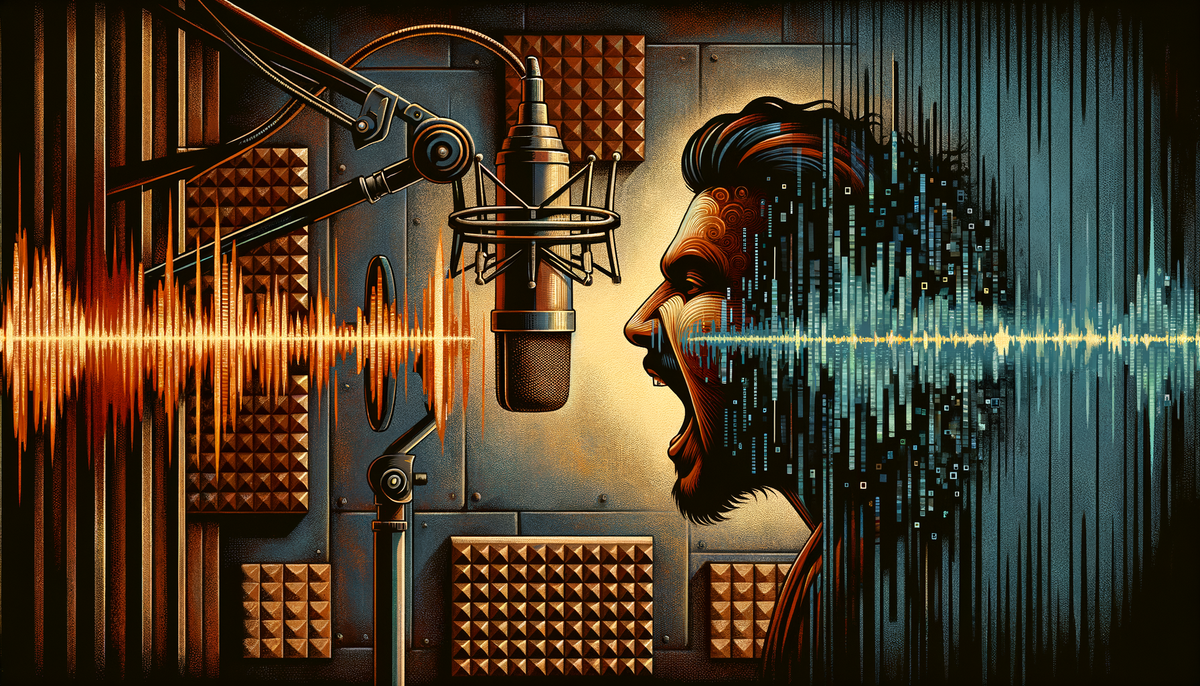
Of all the ways generative AI could reshape game development, voice audio may be the most immediately useful, and the most explosive.
In-game speech sits in a strange middle ground. It is both a hardcore production process and a live performance. A battle bark, shopkeeper greeting, quest reminder or tutorial prompt can look like just another asset in a spreadsheet. But the moment it is voiced, it becomes human in terms of tone, rhythm, identity and emotional weight.
AI voice audio is therefore a near-perfect example of the wider AI dilemma in games. The efficiency gains are obvious, but so are the risks.
The positive case is straightforward. A modern triple-A game can ship with 80,000-plus lines of dialogue across more than a dozen localised languages, much of it iterative and disposable. Writers rewrite. Designers re-cut missions. Live-service games drop new events monthly. Every change feeds back into casting, recording, editing, integration and QA.
Generative voice tools collapse that loop. Teams can hear pacing and tone within minutes rather than weeks, lifting written scripts into playable prototypes long before an actor enters a booth. Used this way, AI voice is not replacing performance. It's providing high quality flexibility.
It also enables games that were previously uneconomic to make. Smaller studios can layer in ambient speech. NPC-heavy simulations feel less empty. Procedural quests can have voiced variants. Non-human characters, robots and crowds can be enriched without dedicated recording sessions for every grunt and shout. In addition, accessibility features such as voiced menus and dynamic narration become cheap.
But once AI voice is good enough for placeholders, the temptation is obvious: why re-record with humans?
That is where the argument changes. Temporary voice is a tool. Production voice is performance. Actors are not just reading words. They are interpreting a character, providing hesitation, sarcasm, warmth, comic timing, vulnerability and menace. The best game performances are part of the character design, not interchangeable audio files. Replacing them with synthetic speech may save money, but it can also flatten the very thing that makes a world feel alive.
The consent question makes this sharper. AI voice is uniquely sensitive because it can imitate identity. A texture generated from broad image data raises labor and IP rights questions, but a voice model can sound exactly like a specific person.
The mod community has already shown what unrestricted access looks like: deceased actors resurrected for fan content; lines they never recorded put into their mouths, sometimes affectionately, sometimes for satire, sometimes for material the original performer would have refused. Those mods are not obscure. They circulate widely, and the estate-and-family disputes that follow are now a regular feature of fan-mod culture. That is the future the recent SAG strike was trying to forestall, and the reason its AI clauses run as deep as they do.
For studios, the danger is not just ethical but reputational. Players may tolerate AI in invisible production workflows and coding. They may even welcome it where it creates richer systems. But they are far more likely to notice when character delivery feels cheap, uncanny or emotionally dead. Voice is intimate. Bad AI performance is not hidden in the pipeline. It speaks.
In this way, the double-edged sword is real. AI voice can make games cheaper, faster and more reactive, while also making them colder, more exploitative and less human. Used well, it expands what teams can test and build. Used badly, it becomes a shortcut around talent.
The future of game voice will not be decided by whether AI can speak. It already can. The real question is whether studios understand the difference between generating audio and directing a performance, and whether the contracts being signed now hold the line when the next budget meeting comes.