Anti-AI Warhammer pleads human slop in 6-finger Space Marine shocker
Six-fingered characters aren't only generated by AI, it seems.

Games Workshop has found itself dealing with exactly the sort of accusation it has tried to avoid. Warhammer fans are alleging that official art may have been generated using AI.
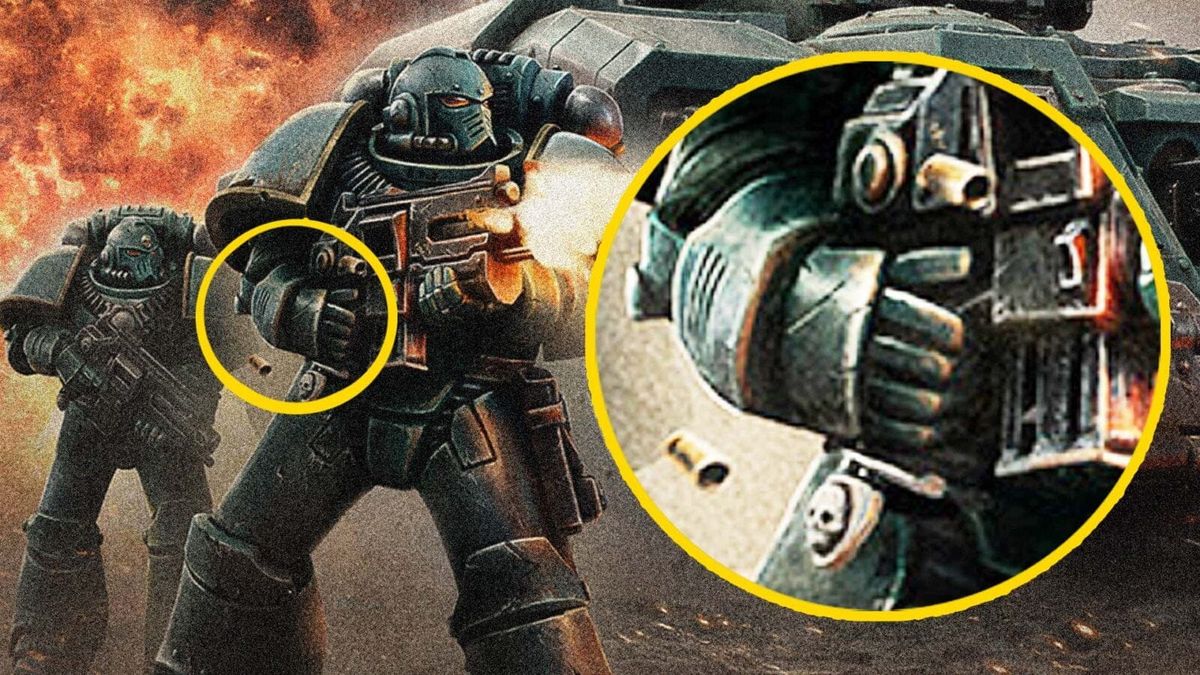
The issue emerged after Games Workshop published new artwork for its Warhammer: The Horus Heresy range on 8th June, promoting MkIV Maximus Space Marines. The image showed Space Marines deploying into battle alongside a tank, but fans quickly focused on one detail: a Space Marine in the foreground appeared to have six fingers.
In the current anti-AI climate around games and fantasy art, an extra finger is no longer treated as a simple production mistake. It has become one of the most recognizable visual tells associated with generative AI. The discovery led to accusations from some Warhammer fans that Games Workshop had used AI-generated art, despite the company’s previous public stance against doing so.
Games Workshop denied that AI was involved. According to the company, the error was the result of human production work rather than machine generation. Its explanation was that the Horus Heresy art style has long combined miniature photography with illustration to create dramatic battlefield scenes, and that this blending process had produced an unintended visual mistake.
The controversy is awkward because Games Workshop has taken one of the clearer anti-AI positions in the tabletop and hobby games sector. Earlier this year, CEO Kevin Rountree said the company had adopted a cautious internal AI policy and did not allow AI-generated content or the use of AI in its design processes. The company has also restricted unauthorized AI use in competitions and prohibits use of Warhammer Community content to train generative AI systems.
That makes the six-fingered Space Marine less a straightforward AI scandal than a sign of how trust around visual production has changed. Before the generative AI boom, fans might have treated the image as an amusing Photoshop or compositing error. Now, the same mistake is immediately read through the lens of AI slop.
The incident shows the new problem for companies that reject generative AI. They are not only expected to avoid using it; they are also expected to prove that every strange hand, distorted face, or odd visual detail was made by a person.