One-shot AI game-making renamed the Gauntlet Loop
Matt Shumer has named his technique and published a How To guide.

Four days after Matt Shumer posted his Claude of Duty demo, the technique behind it has a name, a published how-to, and a growing pile of imitators.
Shumer is now calling it the Gauntlet Loop, and on Monday 27th July he put out a guide about how to run one. The takeaway is the new name concedes the thing the original claim obscured: this was never a one-shot.
The sequence is documented entirely in his own posts, which makes it unusually easy to check.
- On 25th July at 16:29 UTC he posted “Claude Opus 5 one-shotted this game” — the clip that started all of this.
- On 26th July at 17:25 he corrected himself in a reply: “Zero-shot** not one-shot lol whoops.”
- On 27th July at 17:32 he asked followers “We need a name for this prompt approach… anyone have good ideas?”, and two hours later declared: “I’m officially calling this the Gauntlet Loop.” The guide followed the same evening.
Shumer's own one-line definition of the method is the tell:
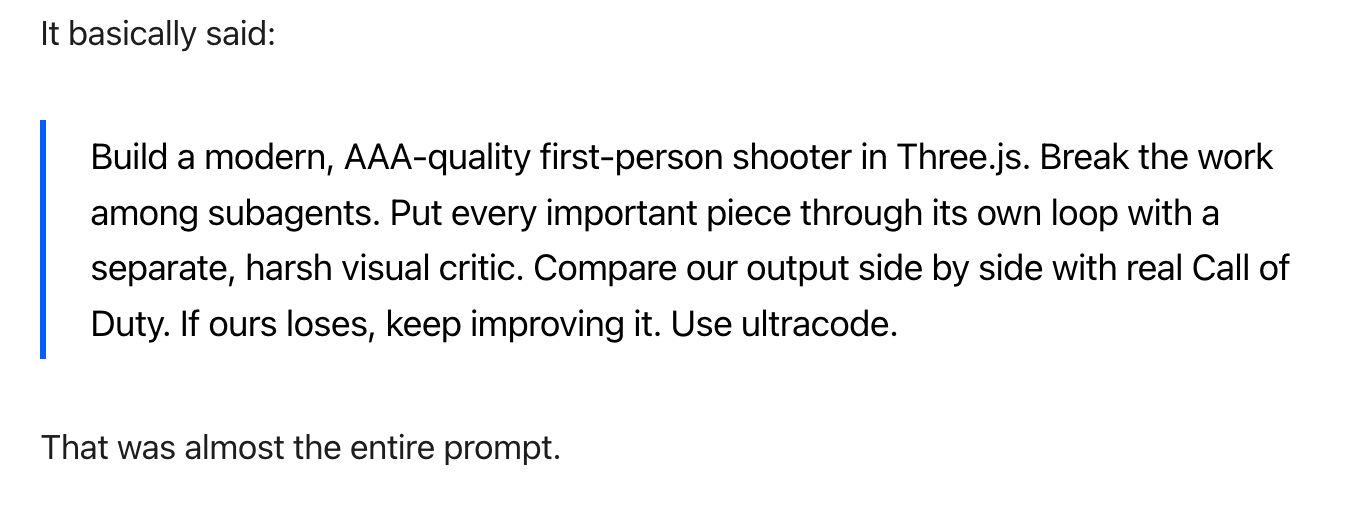
That is a description of an iterative loop with an unbounded number of passes. It is a reasonable and, on the evidence, effective technique. It is not what almost five million people understood “one-shotted” to mean.
The guide is organized around four principles:
- Give it the goal, not your implementation,
- Give it a real bar,
- Let the agent split the work, and
- Never let the builder grade itself.
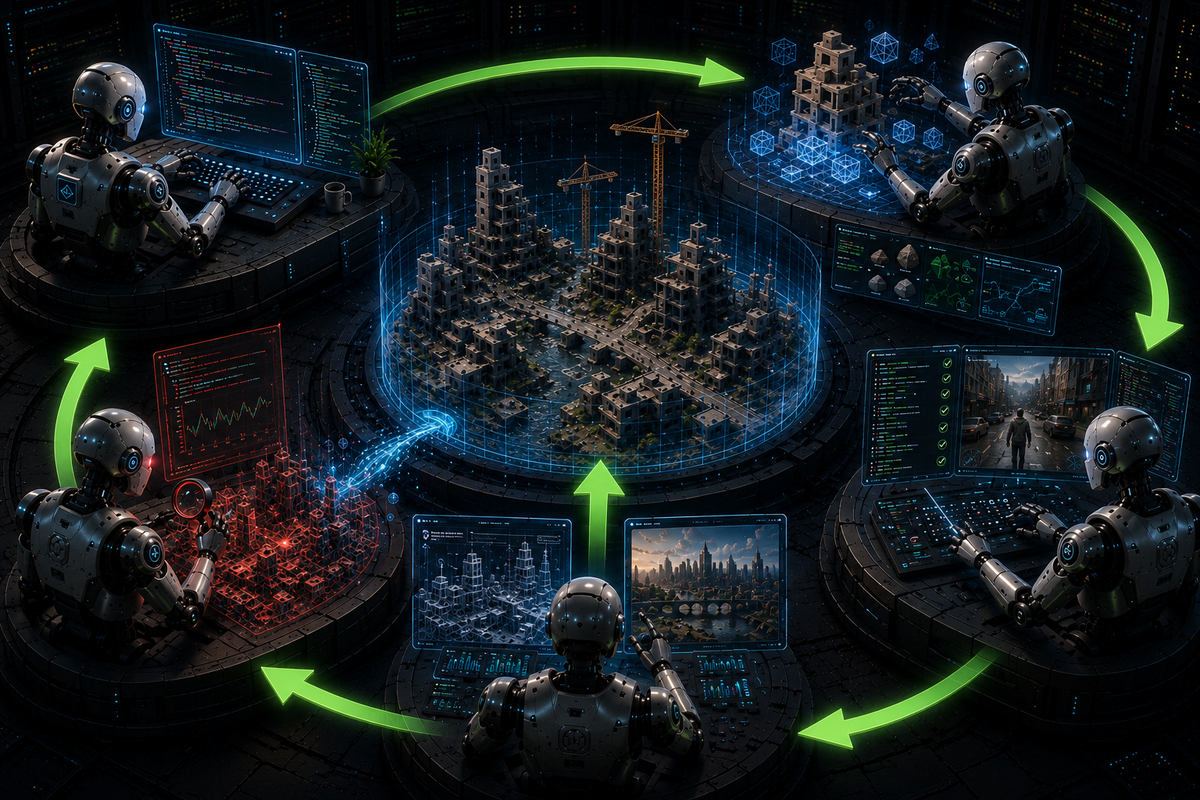
The loop it describes: “The builder makes something. The critic compares it against the reference example. If the reference example wins, the critic explains the biggest remaining gap and sends the work back to the builder.”
Two practical details matter more than the framework.
- First, it doesn't work in a chat window — the guide states you need an agentic harness such as Claude Code or Codex.
- Second, and more usefully for anyone costing this out, Shumer recommends turning on the most expensive setting available: “I also recommend turning on ultracode (type /effort and select ultracode). It costs much more, but the extra effort usually produces better work on large, multi-agent runs.
Notably, Shumer hasn't disclosed the cost of the Gauntlet Loop, either in tokens or dollars, but others have been more open.
The most specific disclosure comes from a builder posting as GREGORY (@MrInReality1), who used the Claude of Duty prompt to build DeCarlo Boyz, an open-world GTA-style game set in Pittsburgh.
His claimed figures: 51.3 hours, 996 agents and 264,200,000 tokens, and he describes it as still a work in progress.
Unlike most claims in this cycle, it ships both a live build and a public repo, created on 29th July and containing roughly 49 megabytes of JavaScript, described as “zero art assets — every texture, mesh, animation and sound generated procedurally at runtime.”
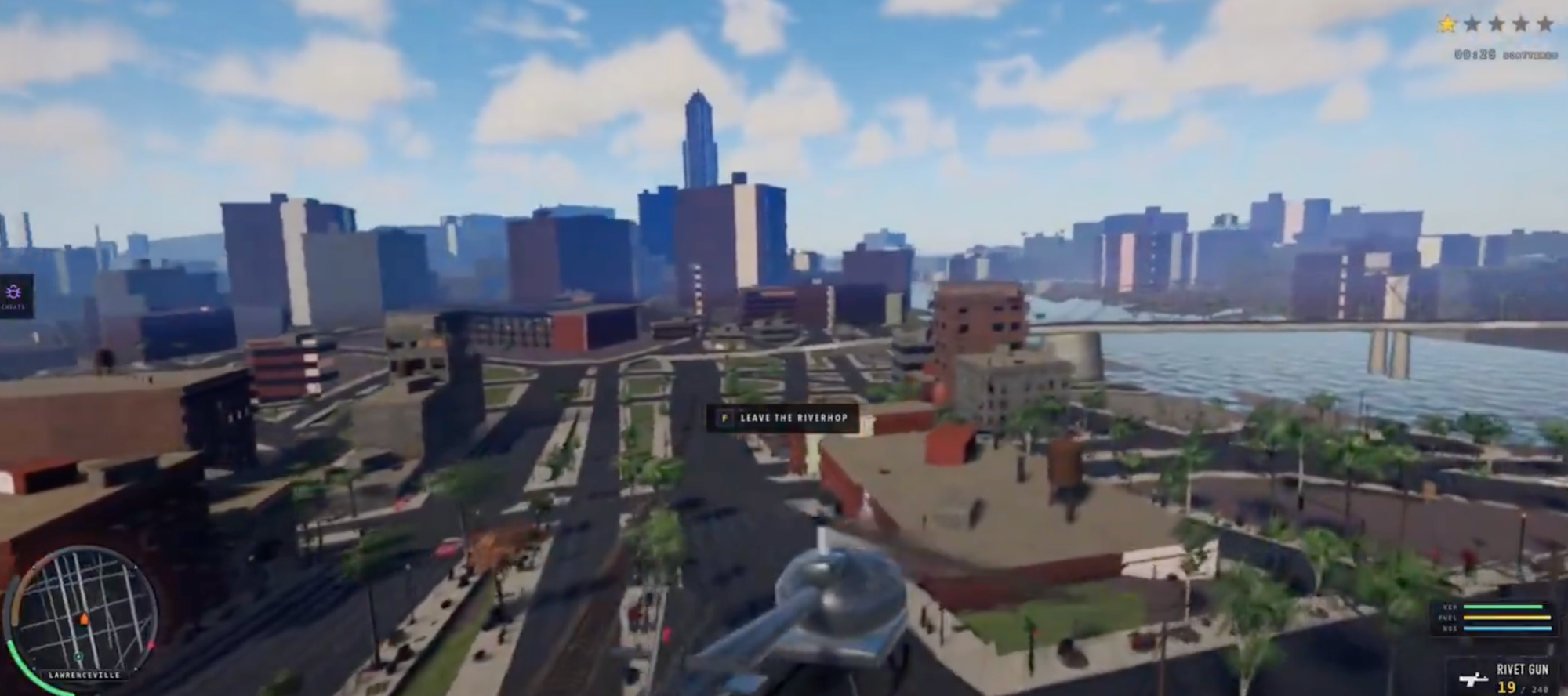
The numbers themselves are self-reported and there's no session log, but the artifact exists and can be inspected, which puts it well ahead of most of the field.
A second data point comes from developer Jake Verbaten (@Raynos), who ran the prompt and reported being “2 hours in, it ain’t even done yet” and having “used 10% of weekly rate limit so far” on an unfinished build. His verdict on the technique was positive — “I thought no way is the gauntlet loop a magic one shot prompt. But it is… Night and day difference with all my other one shot prompts” — but the rate-limit figure is the part game developers should note.
Put those alongside the guide's advice to enable the costliest effort mode, and the shape of the thing is clearer than it was on Saturday. A quarter of a billion tokens and 996 agents across 51 hours is a meaningful result, but it is not “a single prompt” in any sense that matters to a studio budgeting a project.