Astra's clone curve
GPT-6 Astra has already been used to rebuild Mario Kart in a browser, edit SNES cartridges live, and help finish a six-year decompilation.

OpenAI shipped GPT-6 Astra on 3rd September, positioning it as its strongest model yet for coding and computer use. Within a day, gaming X had turned it into a benchmark: name a game, give it a prompt, see what comes back.
What came back is worth taking seriously, in both directions.
As per @zaddyfi, “it may soon be cheaper to rebuild/clone games than to buy them at the store.”. He claimed it took roughly $10 of compute to knock off Super Smash Bros and Mario Kart. The caveat, in his own next line and dropped by every repost was this is not full game quality, no online versus mode, not all the maps.
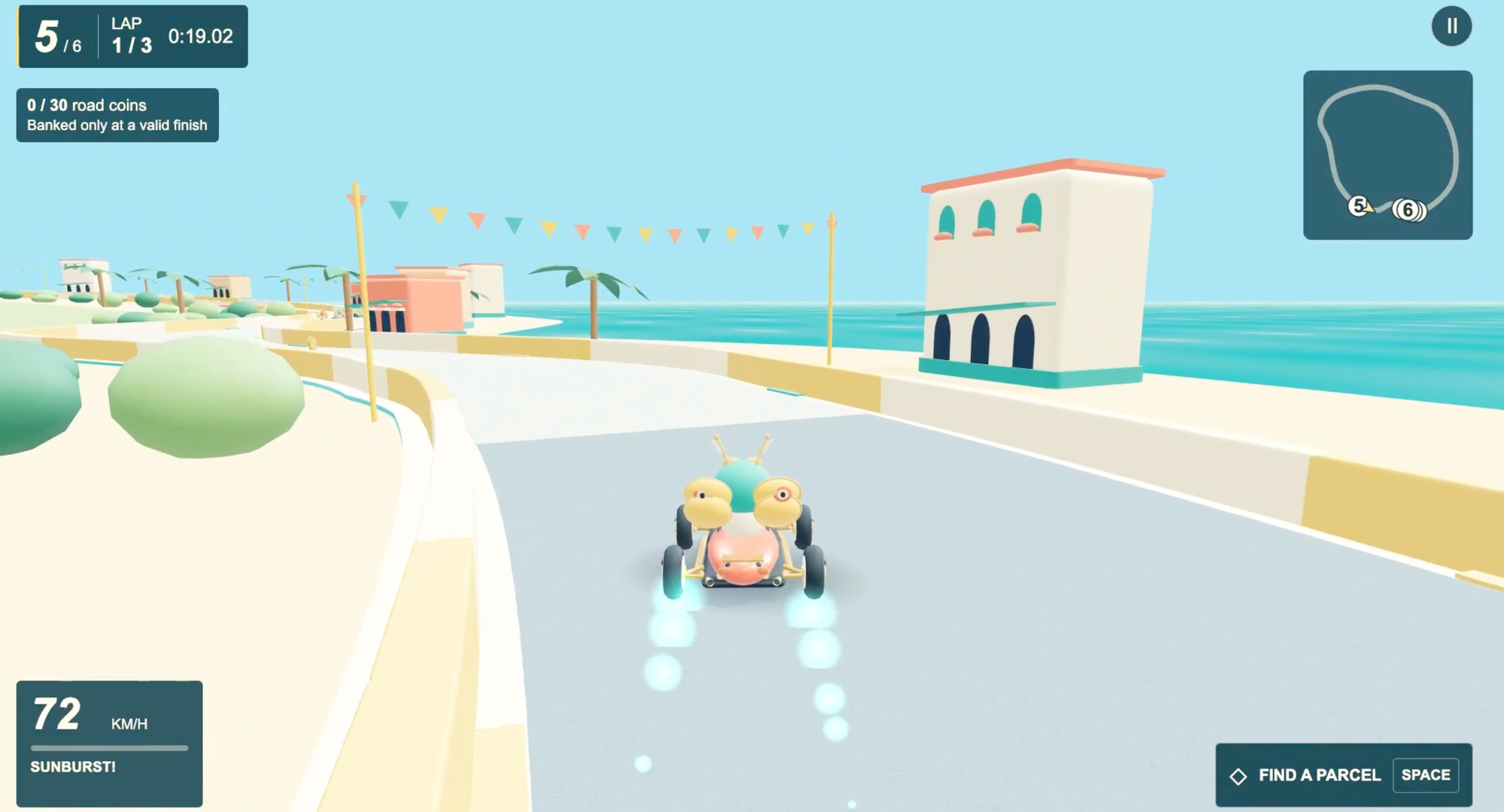
Derya Unutmaz had Astra build a browser Mario Kart in Three.js — six karts, four tracks, overtakes, collisions. The immunologist, biomedical engineer and biohacker has since had a go at Runescape and got Astra to play Factorio.
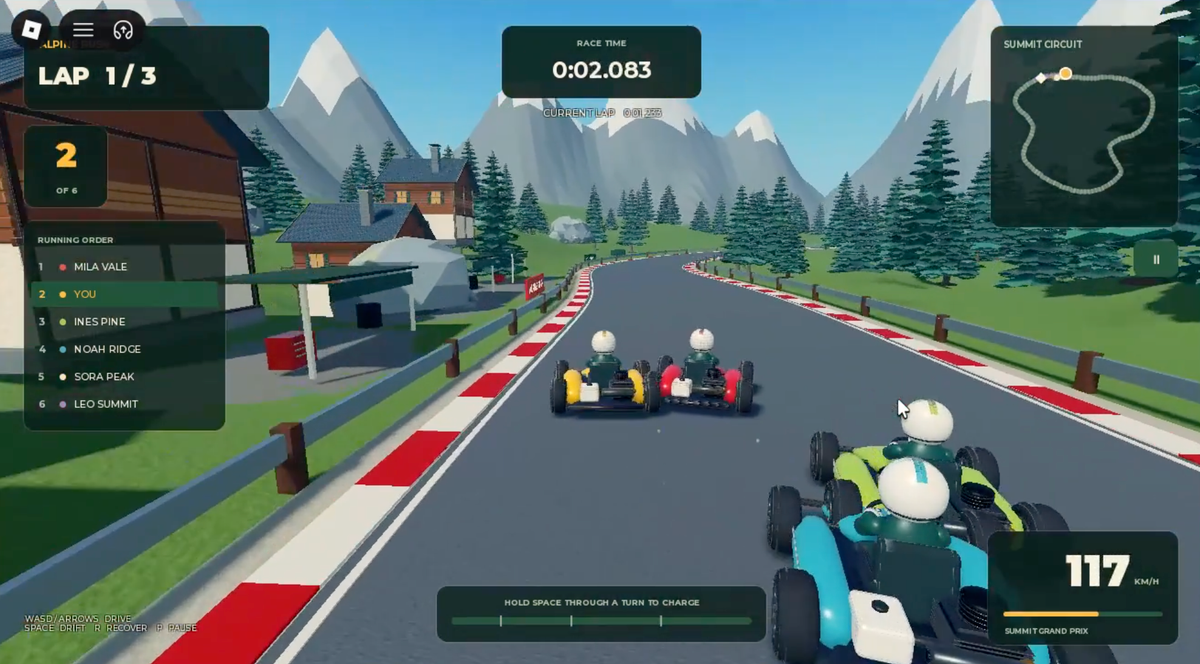
AI game-maker @givros assembled a Mario Kart-style racer inside Roblox Studio in 30 minutes from one prompt: AI opponents, drift, boost, lap tracking, results screen, placeholder art included.
The more technically interesting work isn't the clones, however. On 7th September, Scott Stevenson released SuperAstra, a desktop tool pairing GPT-6 with the BizHawk emulator to reverse-engineer and edit Super Nintendo ROMs live, from plain-English instructions.
“This is hard,” he wrote, “because it's raw machine code” — the SNES's 65C816 instruction set, its memory map, cartridge patching. The replies are full of people asking for roguelike conversions of Secret of Mana and Mega Man X.
The same week, @banteg reported that Super Smash Bros. Melee — 3.88 MB of compiled code — is now fully decompiled and public on GitHub. The project started in July 2020. “Six years… the progress was hugely accelerated by LLMs and finished off with Astra.” Reading an unlabelled binary back into structured, buildable source is closer to the work that actually consumes engineering time than another kart racer is.
Astra also played Pokémon to completion as an agent in 18 hours 12 minutes, against 96 for the previous model. Impressive, and unrelated to building anything.
Yet, every limitation is visible in the demos, if you read past the first clip.
- No content, no netcode. A prototype is not a game; the 90% that ships is content, balance, multiplayer, certification, support.
- The cost is undisclosed. None of the viral posts show token counts.
- Iteration collapses. A recurring report from people with access, the model one-shots something impressive, then degrades once you ask for changes. Games are made in the iteration.
- The quality bar is lower than it looks. Solo developers were quick to note the timeline demos don't reach the standard of games already shipping from one-person teams.
- The legal exposure is real. Every headline demo clones Nintendo IP by name. “Cheaper to rebuild than to buy” is a slogan that invites a cease-and-desist.
- OpenAI's framing isn't helping. With Plus users reporting 30–40 minute working windows before context resets, developers have bristled at messaging they read as OpenAI bragging about making indie devs obsolete.
A good signal for whether the enthusiasm of these Astra game-makers will be to see how the volume of releases to Steam and the app stores changes in the coming weeks.
After all, the distance between one-shotting a playable clone and shipping a game is still the entire job.