Randy Pitchford's bait-and-switch
Randy Pitchford is a professional magician. He deceives for fun.

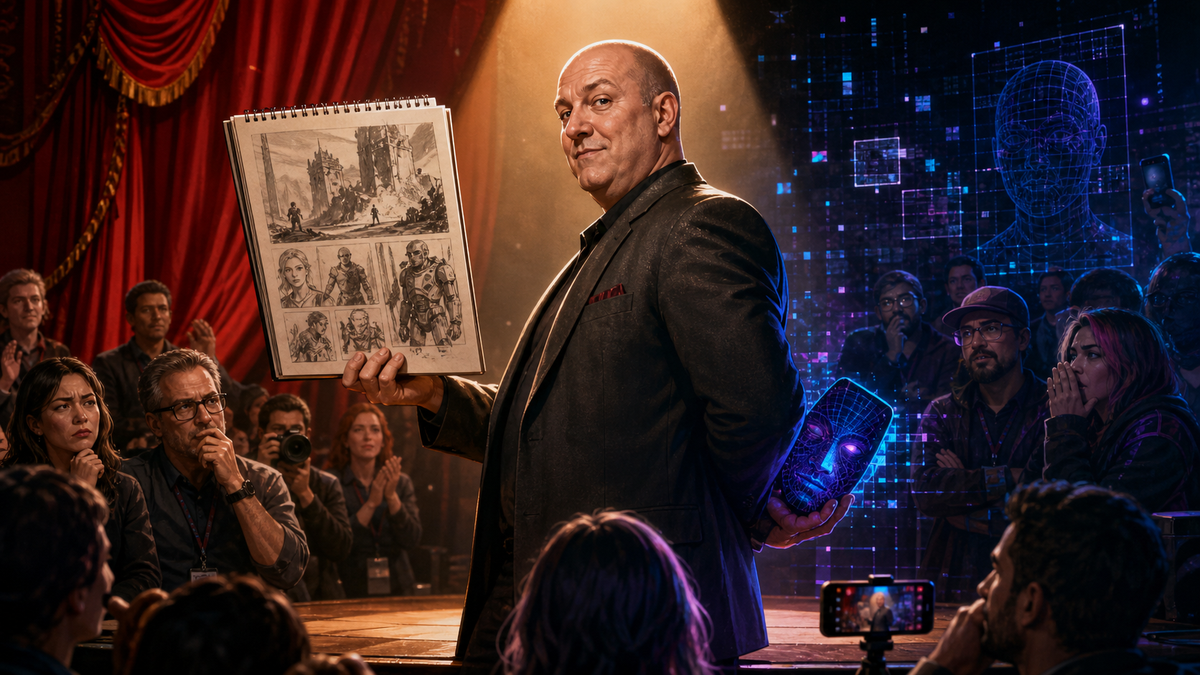
Randy Pitchford is a professional magician. That's not a metaphor. He performs sleight of hand as a hobby. For, the skill that defines stage magic isn't the trick itself. It's knowing where to direct the audience's attention, and when.
This week's episode followed a familiar script. Pitchford posted an AI-generated image on X — he's @DuvalMagic. It was a selfie exploring how AI perceives its own identity.
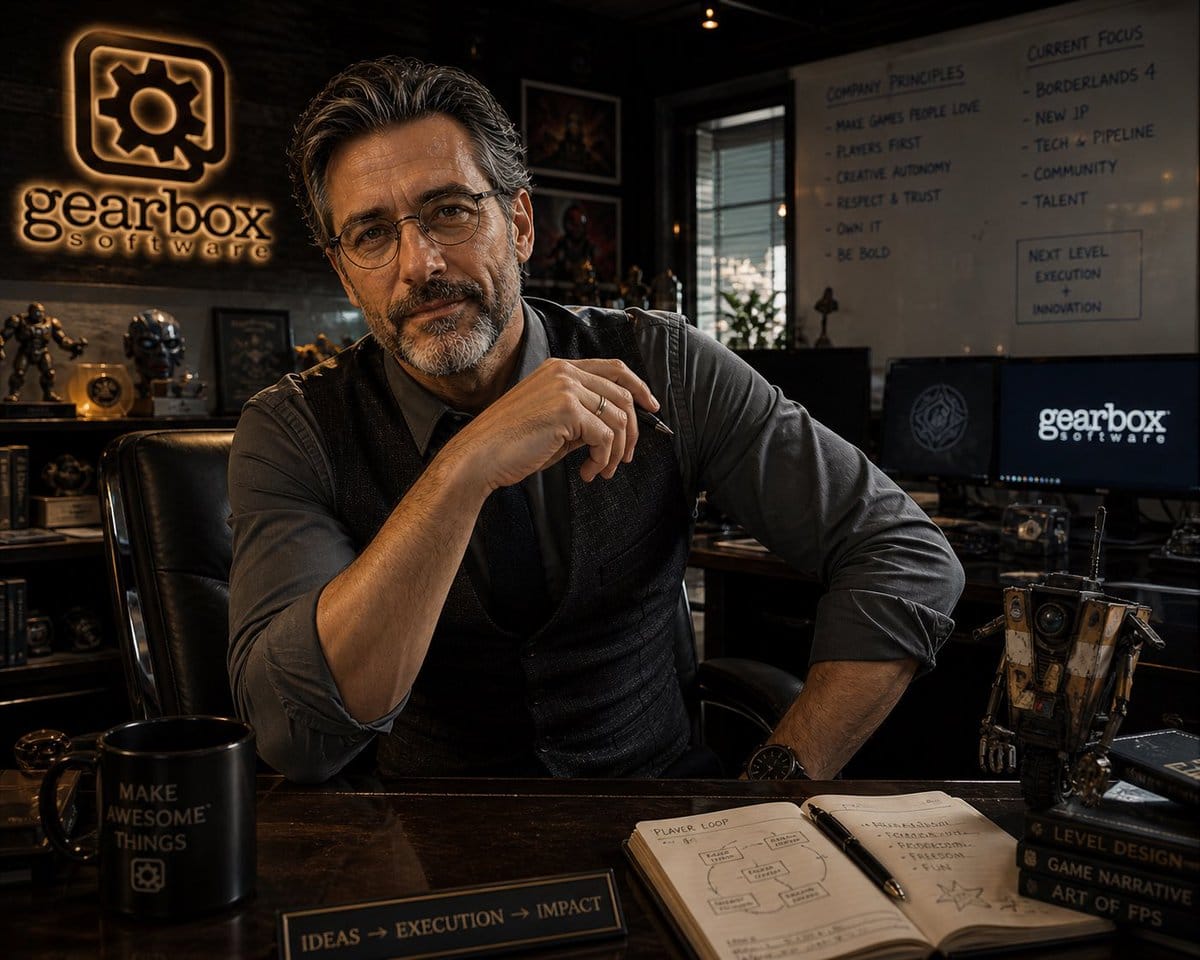
Of course, the community reacted with immediate suspicion. Was this a signal about Borderlands' production pipeline? An inadvertent admission?
Pitchford had to step in repeating the well-worn mantra that Gearbox doesn't use generative AI for any element of Borderlands that reaches consumers. All customer-facing content is made by humans. Personal experimentation stays on isolated devices, away from company systems. It was exactly what an angry community wanted to hear.
Which is precisely the thing worth examining.
Pitchford has spent his career as one of gaming's performers. He's a CEO who tries to give a crowd what it came for. That quality has served him well. It's also got him into trouble. Aliens: Colonial Marines was sold on demo footage that bore little resemblance to the finished product. His former CFO sued him alleging an unauthorised $12 million bonus. He has a long history of public statements made for effect that required later recontextualisation. His word carries a credibility discount that most studio heads simply don't carry.
None of which necessarily means he's lying this time. In fact, the more interesting read is that he's probably telling the truth, but telling it for reasons that are as much about positioning as principle.
The gaming community's hostility to generative AI is near its peak right now. GDC survey data from this year shows 52% of developers view it negatively, up from 30% twelve months ago. Player sentiment is harder and louder. Studios that have been caught using AI art have faced real commercial blowback. In that environment, a high-profile, unequivocal "we don't use it and never will" isn't just a policy statement, it's a brand asset.
It's Pitchford doing what Pitchford does best: reading the room and landing on the right side of an audience in a way that also happens to burnish his own status as a defender of craft.
The cynic's version of the same story is that the original AI post functioned as the setup, and the policy clarification was always going to be the punchline. Whether that's true or not, the effect is identical: Pitchford ends up looking like a principled agent in an industry caving to automation, having generated more coverage and goodwill than a straightforward policy announcement would ever have managed.
But maybe that's unfair. Maybe the commitment is genuine and the timing coincidental. With Pitchford, however, the performance and the substance have always been hard to separate. He's seldom given the audience a reason not to look at what's going on with the other hand.