Unity’s AI opportunity is the harness, not the model
After several false starts, it looks like Unity is finally riding the AI wave.

The interesting read from Unity’s Q1 financials is not simply that the company is stabilising, or that its advertising business looks healthier than it did a year ago. The more important point is strategic: Unity now has to make AI work.
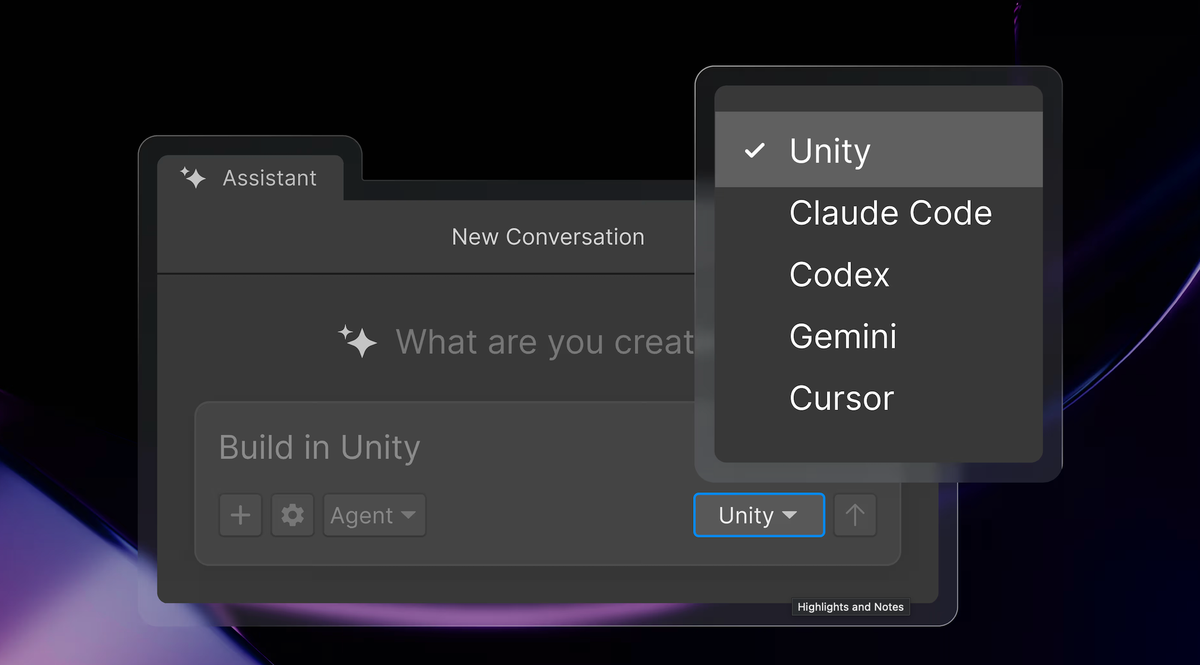
That sounds obvious, but it matters because Unity is not trying to become OpenAI, Anthropic or Google DeepMind. Its opportunity is not to build the best general-purpose model. Its opportunity is to become the trusted harness through which game developers allow AI to touch live projects.
Game development is unusually context-heavy. A generic AI assistant can write code, suggest mechanics, generate placeholder dialogue, create textures or propose balancing changes. But that is only useful if it understands the actual project: the scene structure, prefabs, asset dependencies, build targets, monetisation systems, animation controllers, memory constraints, platform requirements and studio workflows.
Without that context, AI becomes dangerous. It can generate plausible rubbish. It can break builds. It can create assets that do not fit the pipeline. It can write code that compiles in isolation but fails inside the project. In games, the issue is not whether AI can produce something. It is whether AI can produce something usable inside a production environment.
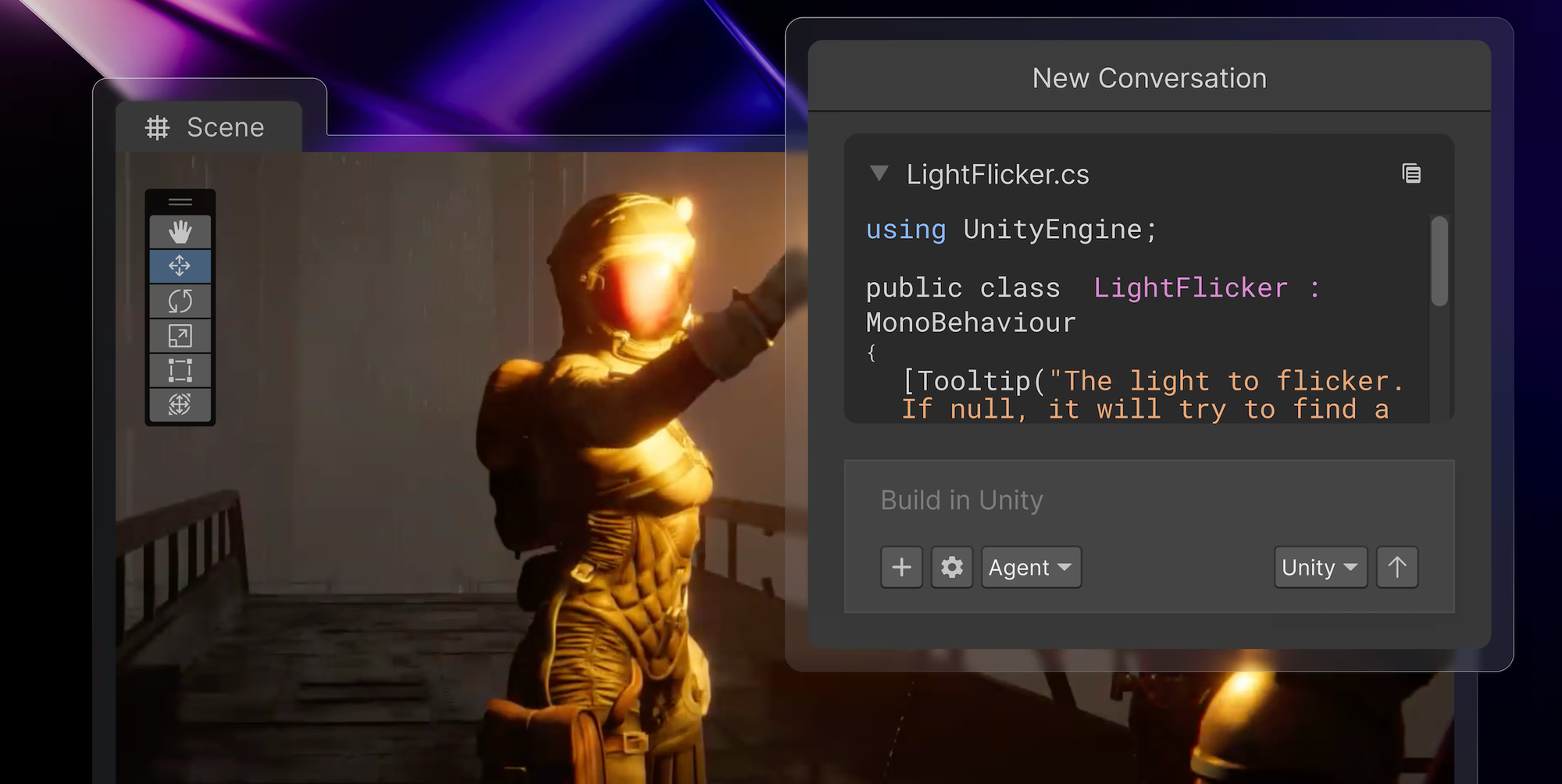
That is where Unity’s position becomes more interesting. The engine already sits at the centre of the developer workflow. It knows the project structure. It has access to the editor state. It can understand what assets exist, how scenes are assembled, what scripts are attached, what platforms are being targeted and where the bottlenecks are likely to occur.
In other words, Unity’s advantage is not intelligence in the abstract. It is structured context.
That also changes the trust equation. After the runtime-fee debacle, Unity badly damaged its relationship with developers. But AI gives it a route back, provided it is executed carefully. Developers may not want Unity imposing economic surprises on them, but they may still trust Unity to provide the safest environment in which AI agents can inspect, modify and improve Unity projects.
That is the key point: AI could make the engine more important, not less. The more powerful external models become, the more valuable the control layer becomes. Someone has to manage permissions, project context, versioning, safety, workflow integration and deployment constraints.
Unity’s Q1 results matters because it suggests the company may finally have enough operational focus to pursue that role. The bull case for the product is simple: Unity becomes the place where AI stops being a clever toy and starts becoming production infrastructure.
Read the full details of Unity AI here.