While pros prevaricate, Roblox kids build the future

The games industry has spent the past two years having a theatrical argument about AI.
Studio heads hedge. Artists post denunciations. Unions draw moral red lines. Steam users review bomb, while there's blood all over in the Subreddits. The whole debate keeps getting dragged back to the same emotionally charged apex: should AI be allowed near art assets?
It's not a fake question. It matters. But it's not an impartial one. Because while public argument fixates on visible outputs, the practical use of AI in game development is happening somewhere less romantic: in workflow.
GDC's 2026 State of the Game Industry report found that 36% of game industry professionals are already using generative AI tools as part of their job. The most common uses were research or brainstorming at 81%, followed by daily tasks and code assistance at 47% each, with prototyping at 35%.
At the same time, 52% of respondents said generative AI is having a negative impact on the industry, a proportion rising to 64% for workers in visual and technical art. In other words, game developers are already using the technology even as the sector remains culturally and morally conflicted about it.
That contradiction matters because it shows where the real line of tension is. Publicly, the industry talks as if AI is mainly a question of artistic contamination: was this texture generated, was this concept sketch touched? Privately, however, AI is being absorbed into planning, coding, testing, and routine production work.
The row is framed as an argument about creativity, but much of the adoption is really about leverage. It is easier to make a moral drama out of a suspicious image than out of boilerplate code or a debug pass.
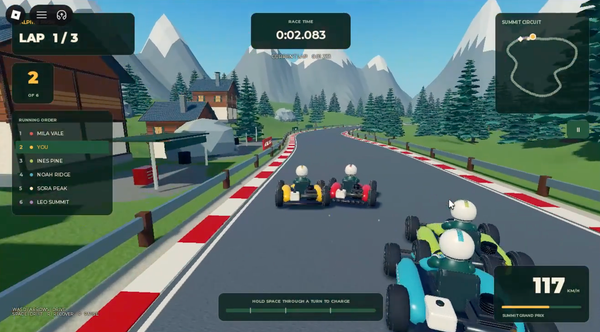
Which is why Roblox's latest move is so revealing. While the professional sector is roiling in uncertainty, Roblox has started productizing AI directly inside the act of building games.
In its April 15 announcement, the company said 44% of its top 1,000 creators already use Roblox Assistant or third-party AI tools via MCP to plan, build, and test their games. And now it's doubling down on this activity, redesigning Studio to use more AI. Roblox says its new agentic push is about accelerating every step of the plan-build-test loop, while also surfacing features to third-party tools through Studio's built-in MCP server.
Roblox is not claiming fully autonomous game creation. But it is clearly moving Studio away from one-shot prompting and toward something closer to supervised co-development. Its improved Planning Mode is described as a multistep workflow in which Assistant analyzes a game's code and data model, asks clarifying questions, and turns a prompt into a highly detailed, reviewable, editable action plan before any changes are made. Persistent context across sessions is also coming soon after launch. That is not AI as autocomplete. It is AI as production scaffolding.
The rest of the stack pushes in the same direction. Mesh Generation is available, allowing creators to quickly add textured meshes to their worlds. Procedural Models are coming soon, offering code-controlled assets with adjustable attributes. And its new playtesting agent, currently in beta, can analyze code and the data model, read logs, and use a player character as an automated QA tester to verify behavior against the original plan and suggest solutions.
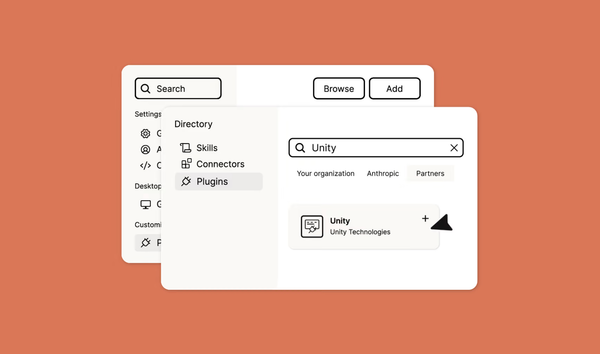
Studio's built-in MCP server also means creators can connect outside tools such as Claude, Cursor, and Codex through unprivileged APIs. In other words, Roblox is not just adding AI features. It is trying to make agent-assisted planning, building, and testing the default grammar of creation.
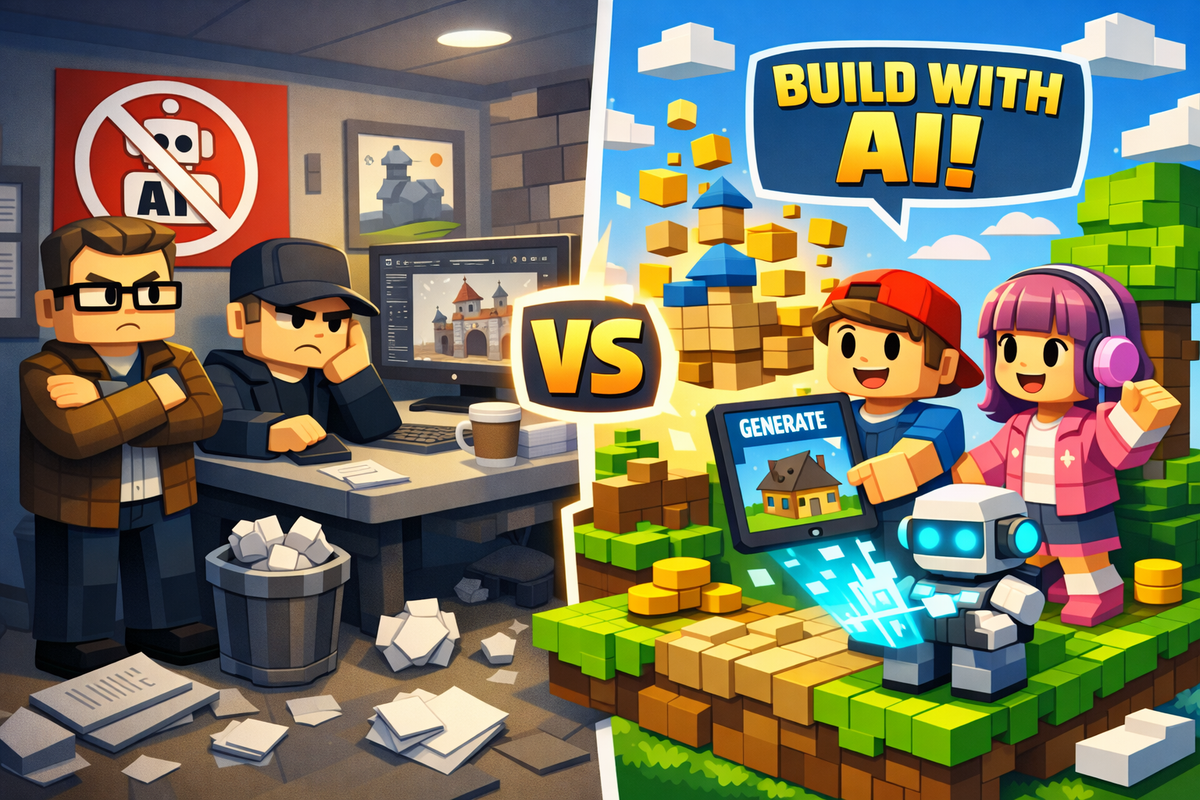
That is where the contrast with the traditional games business becomes stark. The professional sector is arguing about whether AI should be permitted to trespass on specific crafts while Roblox is operating at the system level. It is asking how AI can compress the distance between intention and implementation. How it can turn a rough idea into a plan, a plan into a prototype, and a prototype into something that can be tested, corrected, and iterated faster.
One side is considering legitimacy. The other is rebuilding the toolchain.
And this is not a niche experiment. Roblox reported $4.9 billion in revenue for 2025, up 36% year over year, and said Q4 daily active users were up 69% year over year, with roughly 60 million more DAUs in Q4 2025. That scale matters because it means Roblox is not just expressing an opinion about AI. It is placing a platform-sized bet on a way of working. The company even framed "Harnessing the Power of AI" as one of the core levers in its long-term strategy.
It's the generational shift that's really uncomfortable for the so-called professionals. A younger creator culture, with no investment in inherited rituals about how games are supposed to be made, won't query the tools. It will use them to build faster. This does not make every concern from the professionals invalid. Questions around labor, attribution, consent, and compensation are serious. But conflict is not a strategy, and Roblox has a strategy.
The contrast is stark. Much of the professional industry is enjoying performative arguments about the purity of pixels while actively closing its eyes to the use of AI in less-public parts of production. No-one's going on strike because of AI-optimized shader code. Roblox, by contrast, is embedding AI directly into the tools.
Adults are arguing about the future. The kids are already building it.